
What we build · 02
Timber
paling fencing.
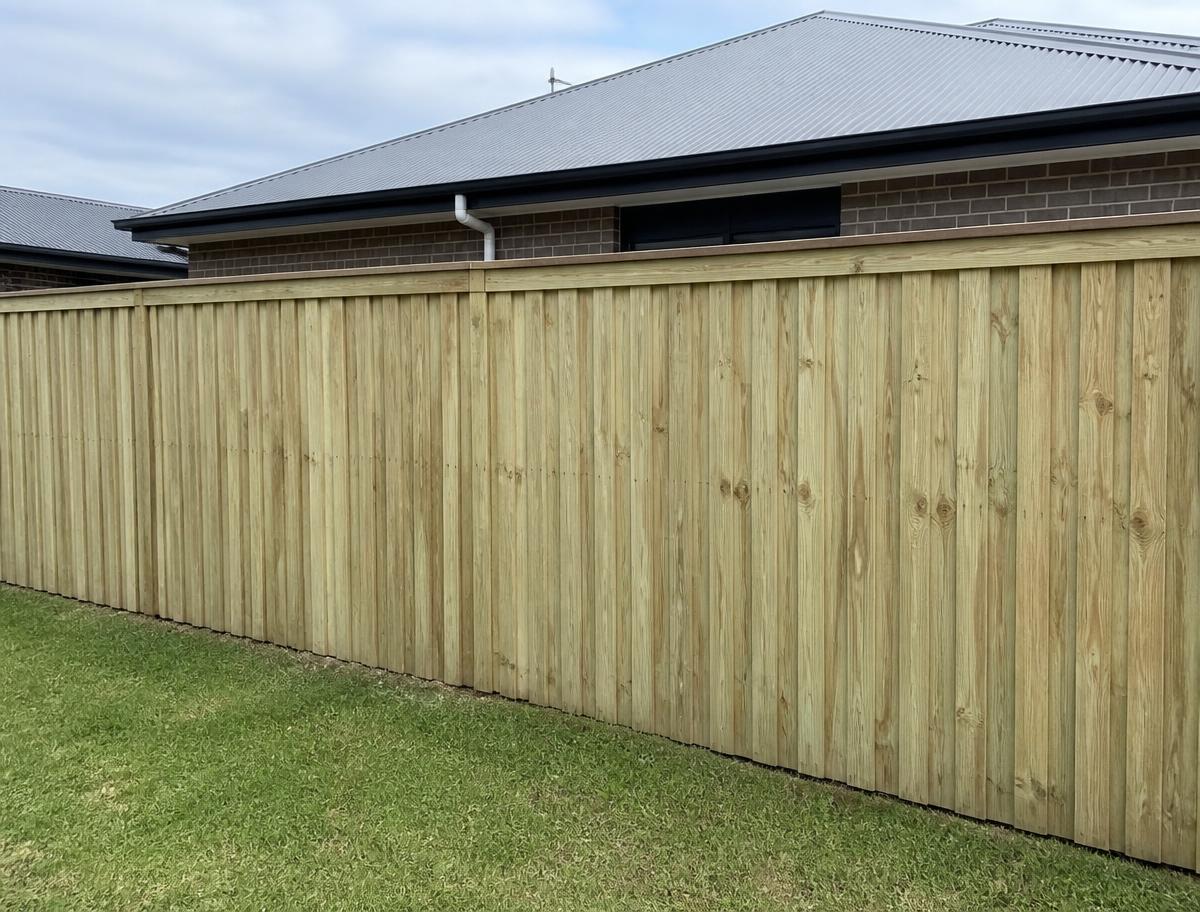
Classic hardwood and treated pine fencing — warm, private, and easy to match to an older Queensland home. Standard palings, lapped and capped, or good neighbour — built square and tight.
5 ★ Google rating
$10M public liability insurance
ABN 91 937 439 041
Own crew, no subcontractors
Hardwood or treated pine
Treated pine is the budget-friendly option and takes paint or stain well. Hardwood palings cost more but hold their shape longer and weather to a deep grey if you leave them raw. We'll talk you through both on site so the choice is yours, not a default.
Styles we build
Lapped and capped for full privacy, standard palings for a flatter classic look, and good neighbour where the fence needs to look the same from both yards. Heights to suit — most boundaries land at 1.8m.
Built to stay straight
Timber only fails early when it's rushed. We concrete every post, keep rail spacing tight for the paling length, gap boards correctly so they don't cup, and keep timber up off the dirt where we can so the bottom doesn't rot out.
Materials
Hardwood or treated pine
Styles
Standard, lap & cap, good neighbour
Common height
1.8m (others to suit)
Old fence removal
Included in your quote
What's included
- Site measure and free written quote
- Removal and disposal of the old fence
- Posts concreted, rails and palings fixed
- Gates hung and adjusted to latch first time
- Site swept and left tidy
Same day quotes
Get a price for timber fencing
Timber fence styles
All three are built the same way underneath — posts concreted, rails run level, palings gapped so they don't cup.
01
Standard paling
The everyday boundary fence — treated pine palings fixed to rails on one side, smooth face out to the street or your neighbour, rails visible on the other. Best value per metre and the most common fence in South East Queensland.
02
Lap and cap
Palings overlap each other so there are no see-through gaps, then a capping rail runs along the top and hides the ends. Full privacy, a finished top line, and the strongest-looking option of the three.
03
Good neighbour
Palings alternate from one side of the rails to the other, so the fence looks the same from both yards — nobody gets the 'back' of the fence. Popular on shared boundaries where you're splitting the cost, and the offset lets a bit of breeze through.
Good to know
Timber fencing questions, answered straight.
How much does timber fencing cost?
Pricing depends on fence length, height, timber selection, ground conditions and access. We provide tailored pricing once your project has been assessed.
What timber do you use?
We typically use hardwood posts with treated pine rails and palings for a consistent, durable result. Full hardwood builds are available where required.
What's the difference between butted and lapped and capped?
Butted uses vertical palings fixed side by side with a small gap. Lapped and capped overlaps each paling and adds a capping rail across the top for a more solid, polished finish with full privacy.
What is a good neighbour fence?
A good neighbour fence is a double-sided design that looks the same from both sides. It's a popular choice for shared boundaries where both neighbours want a neat, balanced result.
Is timber perfectly straight and uniform?
No. Timber is a natural material, so some variation, minor bends and movement are expected. This is normal and does not affect the structural performance of the fence.
Does timber fencing require maintenance?
Yes. Painting, staining or oiling protects timber against weathering, and regular upkeep extends the life and appearance of the fence.
How is the fence set out on a slope — stepped or raked?
It depends on the slope and site conditions. Stepped fencing follows the ground in level sections with gaps underneath, while raked fencing follows the slope angle. We confirm the approach when quoting.
Also from Zenline
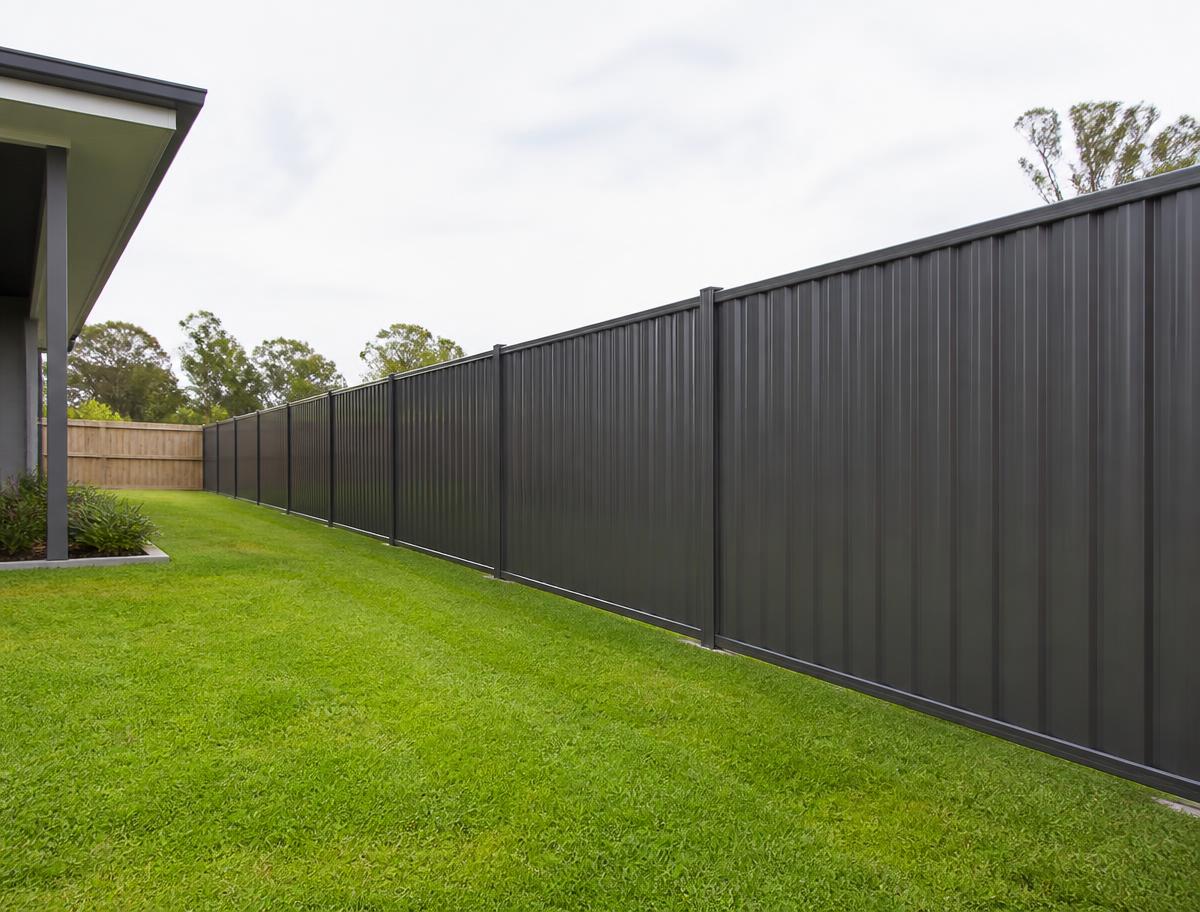
Colorbond fencing
Durable, low-maintenance steel fencing supplied and installed in the full COLORBOND® colour range. Old fence removal included in your quote.
Learn more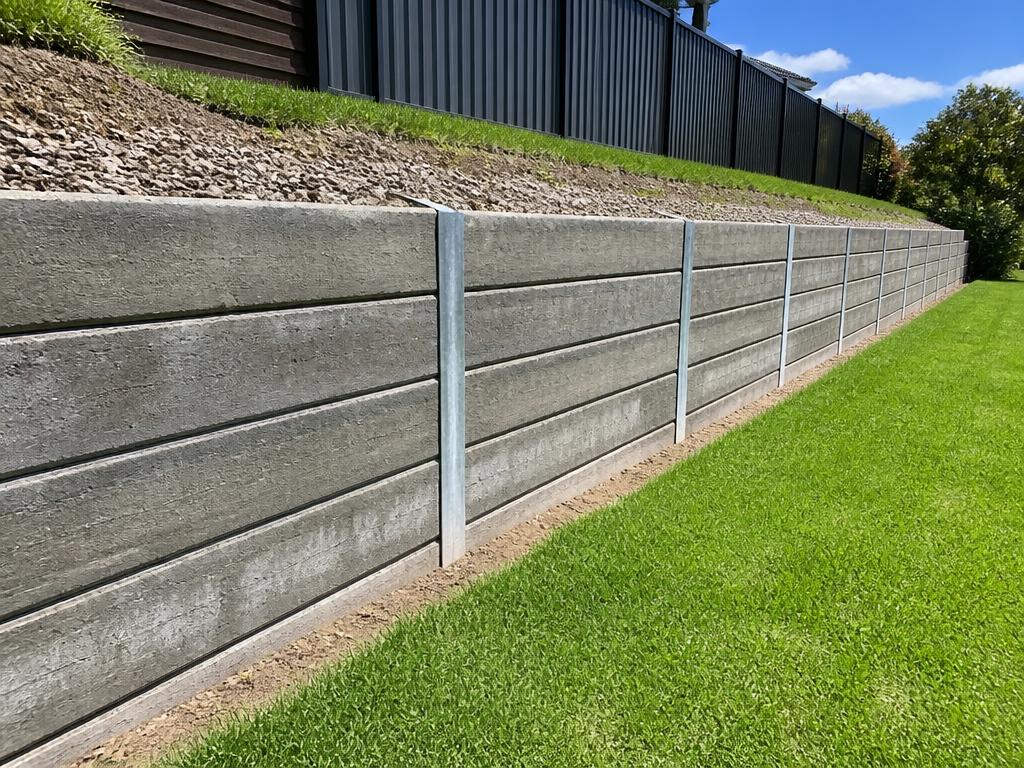
Retaining walls
Concrete sleeper and timber retaining walls up to 1m high (approx 5 sleepers), often built together with a new fence on top.
Learn more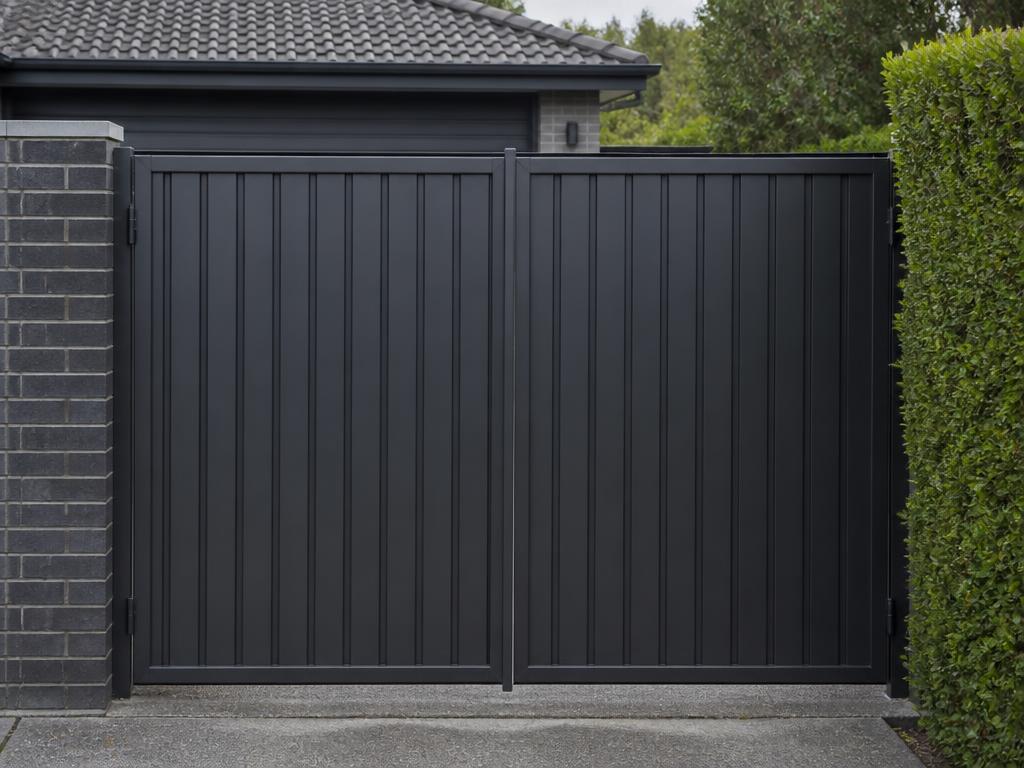
Gates & repairs
Single, double and sliding gates hung square so they latch first time. Broken palings, sagging gates and snapped posts sorted fast.
Learn more